Bearing Supplier
Sourcing bearings from a manufacturer rather than a stockist: the range, the custom and OEM services behind it, and the shape of a first inquiry.
Supplier guide · the range · OEM and custom services
The range behind the supply
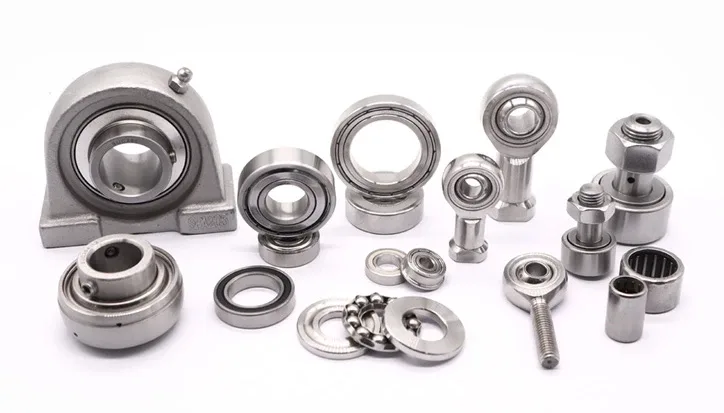
The range here is a manufacturer's own range, not a trading stock: eleven families from deep groove ball bearings through ceramic, plastic and mounted lines to linear guides and transmission parts, each with its own series, materials and option frames. The company has manufactured and exported bearings since 2013 and presents the range under its own brand. A supplier relationship starts from that range — start at the products index — and the families a buyer programmes regularly become the standing list the relationship runs on.
Standard, custom and OEM work
Three kinds of work sit behind the range. Standard supply takes the series as they stand. Custom production works from drawings and samples — sizes, materials, sealing and housing styles settled per item, through the custom bearing line. OEM work adds the buyer's own identity to the product: logo engraving and private-label packaging. A first inquiry that mixes the three should separate them into three lists, because each is priced, scheduled and packed on its own logic.
| Work type | What defines it | What the inquiry carries |
|---|---|---|
| Standard supply | Standard series and option frames | Codes, options and quantities |
| Custom production | A drawing or a sample | Dimension set, material, sealing, duty |
| OEM supply | The buyer's brand on product or pack | Engraving and packaging requirements per item |
Markets and shipping, as the company states them
The company names its main markets as North America, Europe, Korea, Russia, South Africa, the UAE and Saudi Arabia, and offers door-to-door shipping once cargo is ready. Those are the company's own statements of where it sells and how it ships, and they frame a first order sensibly: name your destination market in the inquiry, because packaging, labelling and the shipping arrangement are settled against it, and a programme shipping to several markets should list them market by market rather than under one heading.
What a complete first inquiry carries
A supplier prices what it can read. The complete first message carries the item list with a code or dimension set per item, the quantities next to the items, the option choices attached to the items they belong to, the destination market, and anything that must be settled in writing stated in the message itself. Custom items carry their drawings or sample references; OEM items carry their engraving and packaging requirements. That is the whole formula; the programme version of the same questions is worked in the wholesale guide.
Building the standing list
Most supplier relationships on this range settle into a standing list: the codes a buyer reorders, with their options and packaging fixed once and reused. The first orders are where that list is built, which is why the option discipline matters early — a closure or a grade agreed in a message thread but never written next to its item will be re-decided by someone else later. Keep the list you send with the replies it produces, as one record per item, and the standing list maintains itself.
Related pages
Send an inquiry
Send your item list as three lists where they divide — standard, custom and OEM — with quantities and the destination market, through the inquiry form.