Plastic Ball Bearings
Ball bearings in engineering plastics — PEEK, POM and their companions — for water, washdown and clean duties, with stainless or ceramic rolling elements.
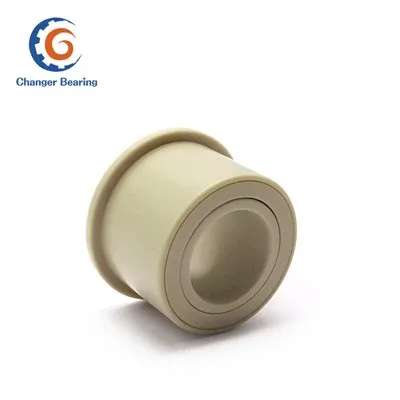
Plastic ball bearings · PEEK and POM · wet and clean duties
Engineering plastics, not steel
A plastic bearing is chosen where the environment defeats the material logic of steel: constant water, chemical washdown, pool and underwater equipment, and clean duties where a corroding or lubricated bearing is the problem. The family runs across the engineering plastics the company works in — POM, PA66, PTFE, PEEK, PE and PI — with the rolling elements in stainless steel or ceramic depending on the line, so corrosion resistance runs through the whole bearing rather than stopping at the rings.
| Plastic | Where the line sits in the family |
|---|---|
| PEEK | Sealed and high-temperature lines, with ceramic elements |
| POM | Pool-cleaner and underwater robot bearings |
| PA66 | General engineering-plastic bearing lines |
| PTFE | Chemical-facing plastic bearing lines |
| PE and PI | Further plastic lines in the material set |
PEEK and POM: the two headline lines
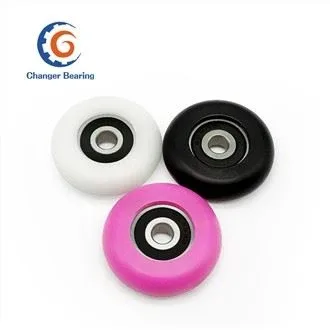
Two lines carry the family. The PEEK line runs sealed bearings with ceramic balls, high-temperature PEEK and a custom PEEK single-flange double bearing with ceramic rolling elements — the PEEK bearing detail line. The POM lines centre on water: pool-cleaner and underwater pool cleaning robot bearings, star-shaped and hex inner bores, POM races with stainless steel balls. The rowing seat wheels sit alongside this family, running a stainless bearing inside a plastic wheel.
Specifying a plastic bearing
The specification sentence for this family names the plastic first, because the plastic is the decision: PEEK for heat and chemical resistance at the top of the range, POM for water duties, the others line by line against their duties. Then the rolling element material, stainless or ceramic; then the size; then the environment in plain words — submerged, splashed, washed down or dry and clean. A steel bearing code from the old drawing is still useful as a size reference, and it belongs in the inquiry next to the plastic line it converts to.
Related pages
Send an inquiry
Name the plastic and the rolling-element material for each plastic bearing on your list, with sizes, quantities and the destination market, and send it through the inquiry form.