Open, ZZ or 2RS: Reading Deep Groove Bearing Seals
The closure is the last word of a bearing code and the first thing a wet or dusty duty argues about. Open, shielded and sealed, worked through in order.
What a closure actually does
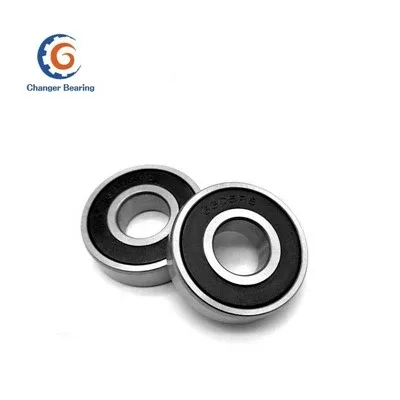
A deep groove bearing leaves the factory in one of three states. Open, it has nothing between the balls and the world: the grease the buyer or the machine supplies is the only protection, and the bearing can be oiled, washed through or relubricated freely. Shielded, it carries thin metal shields — the ZZ suffix — that close most of the gap while never touching the inner ring. Sealed, it carries rubber seals — the 2RS suffix — that lip against the inner ring and close the bearing properly. All three run across the steel family series, plus customised sealing, so the choice is a real one on every code.
Open bearings: for oiled and serviced positions
An open bearing suits a position that is already protected or already lubricated: inside a gearbox, inside an oil-bath housing, in a clean instrument, or anywhere a maintenance regime greases the bearing as part of the machine's own servicing. It has the least friction of the three and no seal drag at all, and it can be cleaned and re-greased through its life. Its weakness is symmetrical with its strength — nothing keeps contamination out, so an open bearing in a dusty or wet open position is a bearing being consumed. Specifying open should always be a positive decision, never the leftover of an unfinished code.
ZZ shields: the dust answer
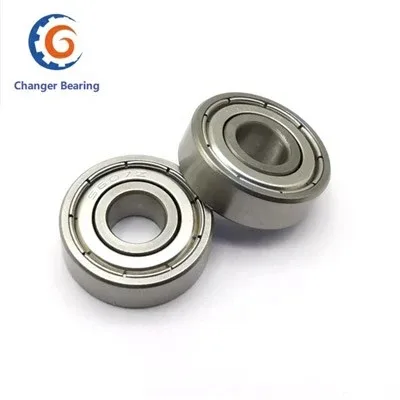
The ZZ shield is a stamped metal disc fixed in the outer ring, stopping just short of the inner ring. It keeps out the coarse world — dust, fibres, swarf, splash that arrives without pressure — while adding almost no friction, because nothing rubs. Shields are the standard answer for electric motors, dry machinery, conveyors in dusty plants and general equipment that lives indoors in dirty air. What a shield does not do is seal: fine dust migrates past it over time, and water passes it freely. A ZZ bearing in a washdown is a bearing being washed inside, which is why the wet version of the same code exists.
2RS seals: the water answer
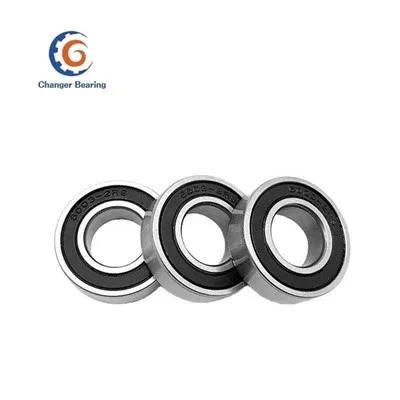
The 2RS seal is a rubber lip moulded to a metal insert, fixed in the outer ring and touching the inner ring, so the bearing is closed on both faces. It keeps the factory grease in and keeps water, washdown and fine contamination out, which makes it the closure of food, marine, outdoor and wet duties — and the standard partner of the stainless line, whose headline items S607ZZ and S607-2RS show the same bearing in both wet and dry dress. The cost is friction: the rubbing lip adds drag and heat, and at very high speeds that cost is real. Like everything else in this family, the seal is a trade, not an upgrade.
| Closure | Suffix | Keeps out | Costs |
|---|---|---|---|
| Open | No suffix | Nothing by itself | Nothing — and protects nothing |
| Shielded | ZZ | Dust, fibres, coarse contamination | Almost nothing in friction |
| Sealed | 2RS | Water, washdown, fine contamination | Lip friction and some speed headroom |
Grease is part of the closure decision
A shielded or sealed bearing is greased for its working life at the factory and is not normally re-greased; an open bearing takes the machine's grease or oil. That makes the closure a maintenance decision as much as a protection one. A sealed bearing on a machine that will be pressure-washed and never opened is correctly specified. The same bearing inside a gearbox, where the oil would do the work and the seals only add drag, is not. When a drawing converts from open to sealed or back, the grease line of the maintenance plan converts with it, and the inquiry is a good place to note that the conversion is deliberate.
Heat and speed: the seal's quiet cost
The closure also moves two limits that never appear in the code. A contact seal rubs, and rubbing makes heat: a 2RS bearing at high speed runs hotter than the same bearing open or shielded, and the grease inside a sealed bearing must live with that heat for the bearing's whole life, because it cannot be renewed. A shield, which never touches the inner ring, adds no such limit, which is why fast dry positions so often stay shielded even in dirty air — the plant accepts a cleaning interval in exchange for speed headroom. Where a duty is both fast and wet, the honest answer is usually a sealed bearing in stainless, run inside its limits, rather than a shielded one asked to survive water.
Reading the suffix on an old code
On the thrust and standard series alike, the suffix rides at the end of the code: 6205 is open, 6205ZZ is shielded, 6205-2RS is sealed, and the photographed 6205RS is the sealed form of the family's most ordinary bearing. Copied lists lose suffixes more than any other character, because the code still looks complete without one. When you copy a list, read the suffixes back against the old bearings or the drawing — a line that arrives without a suffix will be priced as an open bearing, and that is a decision made by omission.
What a mixed-closure list looks like
Real lists rarely settle on one closure. A pump set might run open bearings inside the oil space, shielded bearings at the fan, and sealed bearings at the wet end, all in the same two series. That is normal, and the list should say so plainly: one line per position, with the closure written on the line it belongs to. The mistake to avoid is the summary line — a list headed “all bearings sealed” because most of them are, which quietly converts the open and shielded positions into sealed ones and changes how the machine runs.
Where a position is genuinely undecided, mark it as undecided rather than leaving the suffix off. An item with no suffix is read as an open bearing by default, which is a decision made by silence; an item marked “closure to confirm” gets a question back, which is the outcome the buyer actually wanted. The extra line of honesty on the list is cheaper than a bearing pulled back out of a housing.
Stating the closure in an inquiry
Close the question in the order itself: give the full code with its suffix for every item, and where a position is being converted, name both the old and the new closure in one line. Mixed lists are normal — open bearings for the gearbox positions, sealed for the exposed ones — and each line should carry its own suffix rather than a blanket note at the top of the message, because blanket notes detach from items in every system they pass through. The closure is three characters of the code and half the bearing's working life; it earns its place in the line.
Send an inquiry
Read the suffixes on your list against the old bearings, complete the codes, and send the list with quantities and the destination market through the inquiry form.